Page 6 - Digi-Notes-23-03-2016-Reasoning-Updated_Neat
P. 6
www.mahendraguru.com
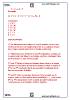
A ≥ C or A ≤ C
Example-
St- P ≤ Q < R ≤ S ≤ T = U ≤ V = W > X
Conclusion-
1. P ≤ V
2. Q < W
3. R < W
4. R = W
5. T > X
6. T ≤ X
EXPLANATION-
st
1 not follow because between P and V symbols are in same
Order but there is one single symbol (<) so conclusion should
have single symbol while there is double symbol (≤).
nd
2 follows because between Q and W inequalities symbols are
In same order and there is one single symbol (<) between them
and conclusion is also having single.
rd
th
3 and 4 Either or because between them there is no single
Symbol so conclusion should have double but that is neither in
rd
th
3 nor in 4 conclusion but if we use either or between them
then we can make it double.
th
th
5 and 6 either or because between them symbols are in
reverse order so there will be three possibility (> < =) but nether
5 nor 6 having these three symbols but after joining both
th
th
Conclusion we can complete all three together.
www.mahendraguru.com
A ≥ C or A ≤ C
Example-
St- P ≤ Q < R ≤ S ≤ T = U ≤ V = W > X
Conclusion-
1. P ≤ V
2. Q < W
3. R < W
4. R = W
5. T > X
6. T ≤ X
EXPLANATION-
st
1 not follow because between P and V symbols are in same
Order but there is one single symbol (<) so conclusion should
have single symbol while there is double symbol (≤).
nd
2 follows because between Q and W inequalities symbols are
In same order and there is one single symbol (<) between them
and conclusion is also having single.
rd
th
3 and 4 Either or because between them there is no single
Symbol so conclusion should have double but that is neither in
rd
th
3 nor in 4 conclusion but if we use either or between them
then we can make it double.
th
th
5 and 6 either or because between them symbols are in
reverse order so there will be three possibility (> < =) but nether
5 nor 6 having these three symbols but after joining both
th
th
Conclusion we can complete all three together.
www.mahendraguru.com